
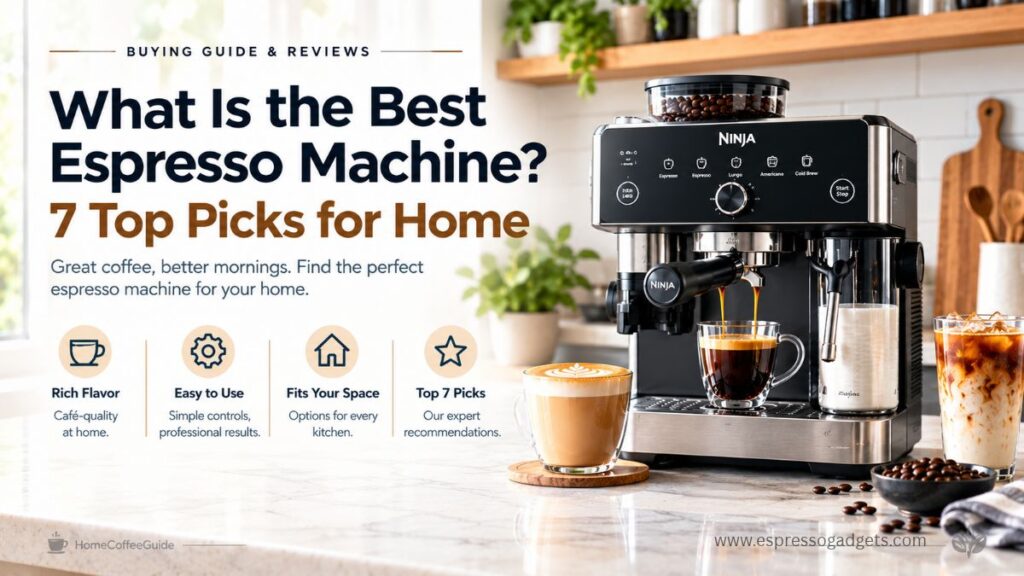
What Is the Best Espresso Machine for Home? The answer depends on how you make coffee, how much control you want, and how much time you want to spend preparing each drink.
Quick Answer: What Is the Best Espresso Machine?
If you want one machine for several coffee styles, the Ninja Luxe Café Premier ES601 is a strong option. It combines espresso, drip coffee, and cold brew functions with an integrated grinder and guided preparation features.
If espresso is your main priority and you want a traditional hands-on experience, consider the Breville Barista Express. For smaller kitchens, the Breville Bambino Plus is worth a look. If you prefer automated bean-to-cup coffee, consider the De’Longhi Dinamica Plus.
There is no single winner for every household. Your preferred drinks, budget, counter space, and willingness to learn espresso preparation should guide your decision.
Table of Contents
Introduction
Some espresso machines help you make café-style drinks with minimal effort. Others give you more control over grinding, tamping, extraction, and milk steaming. Compact models for small kitchens and fully automatic machines that prepare coffee at the touch of a button are also available.




For most households, the best choice balances espresso quality, ease of use, useful features, and long-term value.
In this guide, we explain what to look for and compare seven espresso machines worth considering. We cover their main strengths, limitations, and the types of coffee drinkers they suit best.
As you compare models, remember the best home espresso machine for you isn’t necessarily the most expensive. It is the one that fits your daily coffee routine.
The 7 Best Espresso Machines to Consider
1. Ninja Luxe Café Premier ES601 – Best for Versatility
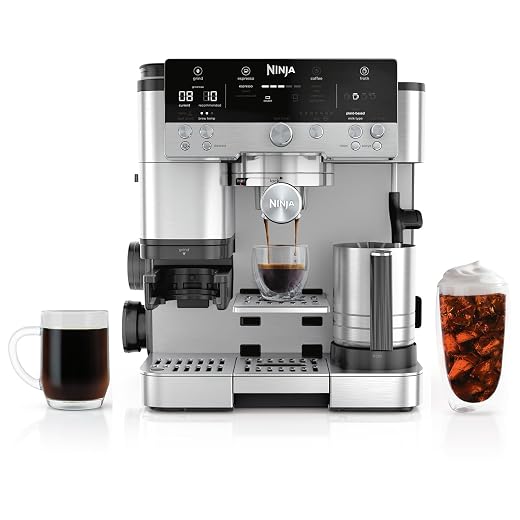
The Ninja Luxe Café Premier ES601 is designed for households that want more than espresso from one appliance. It combines espresso preparation with drip coffee and cold brew functions, making it a versatile option for people with different coffee preferences.
Its integrated conical burr grinder offers multiple grind settings, while its guided brewing features help users adjust preparation. The machine also includes a system for preparing milk foam without requiring the same hands-on technique as a traditional steam wand.
This combination makes it particularly interesting for people who want a more guided coffee-making experience.
Key features
- Espresso, drip coffee, and cold brew functions
- Integrated conical burr grinder
- Multiple grind settings
- Guided brewing assistance
- Hands-free milk-frothing options
Pros
- Offers several coffee styles in one appliance
- Includes a grinder
- Helps simplify parts of espresso preparation
- Useful for households with different coffee preferences
Cons
- Takes up more counter space than a compact espresso machine
- Has more features to learn and clean
- May be unnecessary if you only drink traditional espresso
Who should choose it?
Choose the Ninja Luxe Café Premier if you want espresso, regular coffee, and cold brew without buying separate machines. It is also worth considering if you value guided preparation and convenient milk frothing.
Before buying, check the current model specifications, included accessories, warranty, and available counter space.
2. Breville Barista Express – Best for Hands-On Espresso
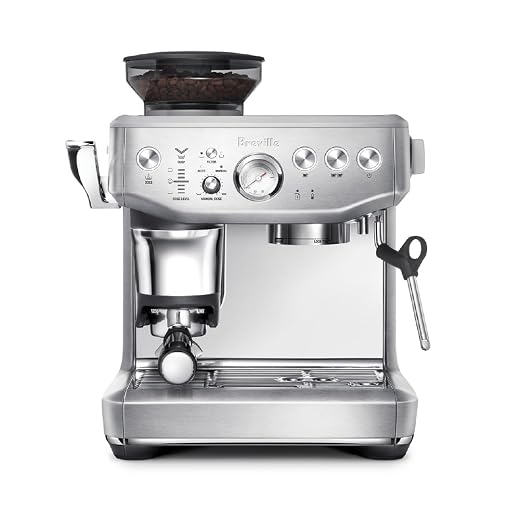
The Breville Barista Express is a popular option for people who want to learn traditional home espresso preparation. It combines an espresso machine and grinder in one unit, so you don’t need to buy a separate grinder right away.
The workflow involves grinding beans, preparing the portafilter, tamping the coffee, extracting the shot, and steaming milk. This gives you more direct involvement than a heavily automated machine.
Learning these steps takes practice, but it can also help you understand how grind size, coffee dose, and extraction affect the final drink.
Key features
- Integrated conical burr grinder
- Adjustable grind settings
- Portafilter-based espresso preparation
- Manual steam wand
- Controls for a hands-on brewing routine
Pros
- Combines grinding and espresso preparation
- Provides a traditional barista-style workflow
- Allows hands-on milk steaming
- Suitable for people who want to improve their skills
Cons
- Requires practice to produce consistent results
- Manual milk steaming takes time to learn
- Needs regular cleaning and maintenance
- Uses more counter space than some compact machines
Who should choose it?
Choose the Breville Barista Express if espresso is your main interest and you want to learn the process rather than automate every step.
It is particularly suitable for people who enjoy adjusting their coffee and developing better preparation skills over time.
3. Breville Bambino Plus – Best for Small Kitchens
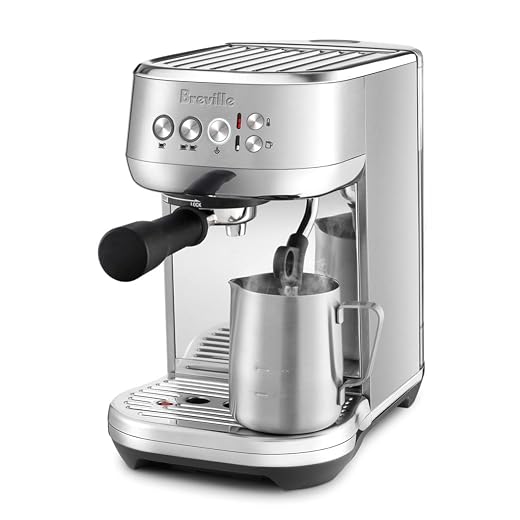
The Breville Bambino Plus is a compact option for people who want an espresso machine without giving up too much counter space.
Unlike an all-in-one machine with a built-in grinder, the Bambino Plus is primarily focused on brewing espresso. If you use whole beans, you will generally need a separate grinder, so remember to include that cost and space in your budget.
Its automatic milk-texturing features can also make milk-based drinks easier to prepare than using a fully manual steam wand.
Key features
- Compact footprint
- Espresso-focused design
- Automatic milk-texturing options
- Quick-start brewing workflow
- Separate grinder required for whole-bean coffee
Pros
- Suitable for kitchens with limited space
- Focuses on espresso rather than multiple brewing methods
- Automatic milk features can simplify preparation
- Can be paired with a separate grinder
Cons
- Does not include a built-in grinder
- A complete setup may cost more after adding accessories
- Offers fewer brewing styles than a multifunction machine
Who should choose it?
Consider the Bambino Plus if you have limited counter space and primarily drink espresso, cappuccino, or latte.
It is also worth considering if you want a compact machine with milk assistance but prefer to choose your grinder separately.
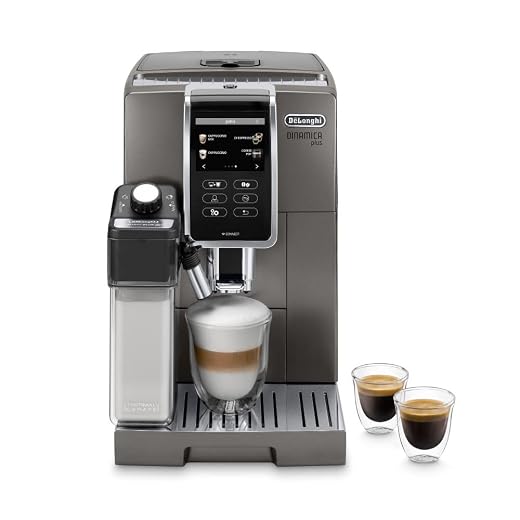
4. De’Longhi Dinamica Plus – Best for Automated Coffee
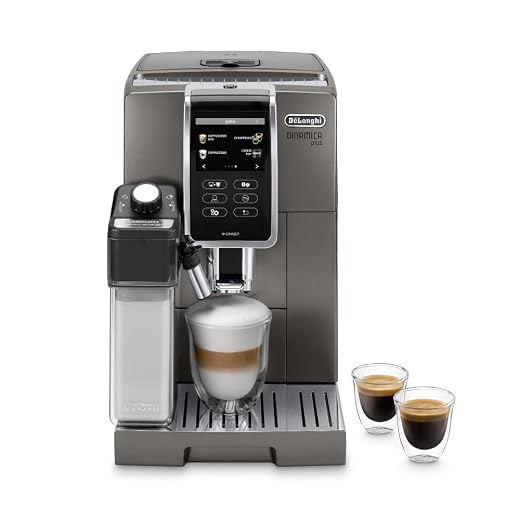
A fully automatic espresso machine is a good fit for people who want to reduce the number of manual steps involved in preparing coffee.
The De’Longhi Dinamica Plus belongs to this category. Depending on the exact model and regional version, it offers automated coffee preparation and milk-drink options.
Instead of preparing every shot with a portafilter, you select a drink or adjust settings through the machine’s controls. The appliance handles much of the brewing process.
This convenience can be especially useful in busy households where several people make coffee throughout the day.
Key features
- Fully automatic bean-to-cup preparation
- Integrated grinder
- Automated drink preparation
- Milk-drink functions on compatible versions
- Adjustable drink settings, depending on model
Pros
- Reduces hands-on preparation
- Convenient for everyday coffee
- Suitable for users who prefer automated brewing
- Can simplify making multiple drinks
Cons
- Typically costs more than basic manual machines
- Offers less hands-on control over espresso preparation
- Automatic milk systems require regular cleaning
- Exact features vary by model
Who should choose it?
Choose a fully automatic machine such as the Dinamica Plus if convenience matters more to you than learning traditional barista techniques.
Check the exact model number before buying because drink programs, milk systems, and controls can differ between versions.
5. Breville Barista Touch Impress – Best for Guided Espresso Preparation
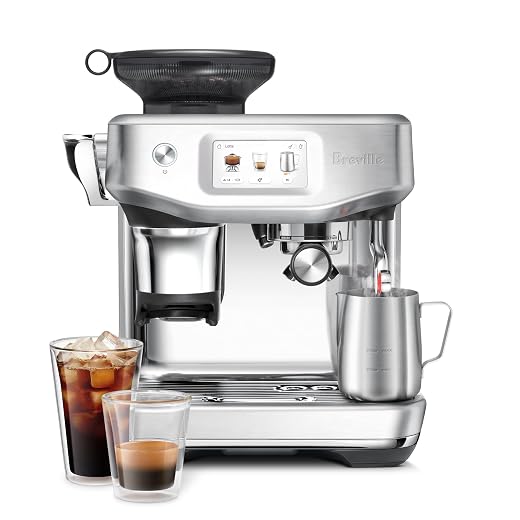
If you want a more guided experience than a traditional semi-automatic machine, the Breville Barista Touch Impress is worth comparing.
It combines an espresso workflow with an interface designed to help users through preparation. Its guided features aim to make the process more approachable for people who want café-style drinks without managing every detail on their own.
This type of machine sits between a traditional manual setup and a fully automatic bean-to-cup appliance.
Key features
- Guided espresso preparation
- Integrated grinder
- Touchscreen-based controls
- Assisted preparation features
- Milk-texturing assistance, depending on model
Pros
- Helps guide users through preparation
- Combines several functions in one appliance
- Suitable for people who want assistance without fully automatic brewing
- Offers room to explore different coffee drinks
Cons
- More advanced features can increase the purchase cost
- Requires cleaning and routine maintenance
- May be more machine than a casual espresso drinker needs
Who should choose it?
Consider the Barista Touch Impress if you want a premium machine with guidance and automation while still participating in the espresso-making process.
Compare it with simpler models before paying more for features you may not use regularly.
6. De’Longhi Dedica Series – Best for a Basic Compact Setup
The De’Longhi Dedica family is worth considering if you want a slim espresso machine for a smaller kitchen.
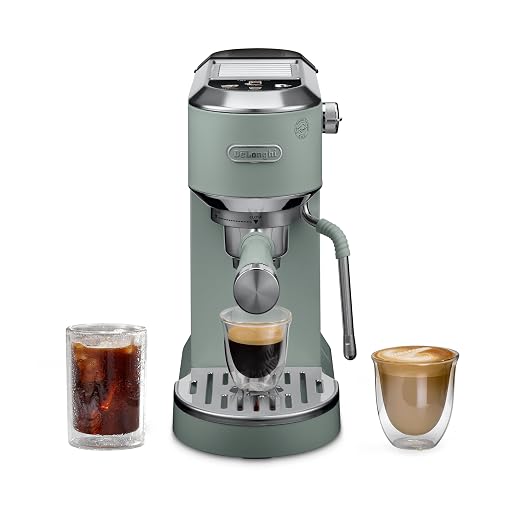
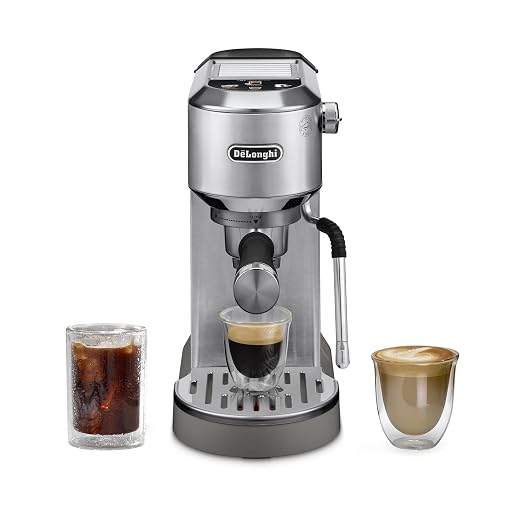
Compact machines can be appealing for apartments, office kitchenettes, and counters where a larger grinder-and-machine combination will not fit. The trade-off is that you may have fewer built-in features and may need to spend more time learning the right preparation method.
Specifications and milk-frothing capabilities vary across Dedica models, so check the exact version rather than assuming every machine in the range has the same features.
Key features
- Slim design on compatible models
- Portafilter-based brewing
- Compact storage footprint
- Milk-frothing capability on many versions
- Separate grinder may be needed
Pros
- Uses less counter space than many larger machines
- Can suit a simple home espresso setup
- Often easier to accommodate in small kitchens
- Lets users choose accessories separately
Cons
- Usually requires more hands-on preparation
- Grinder may need to be purchased separately
- Features vary across the product family
- May be less suitable for users who want extensive automation
Who should choose it?
Consider a Dedica model if space is your biggest concern and you want to prepare espresso at home without buying a large all-in-one machine.
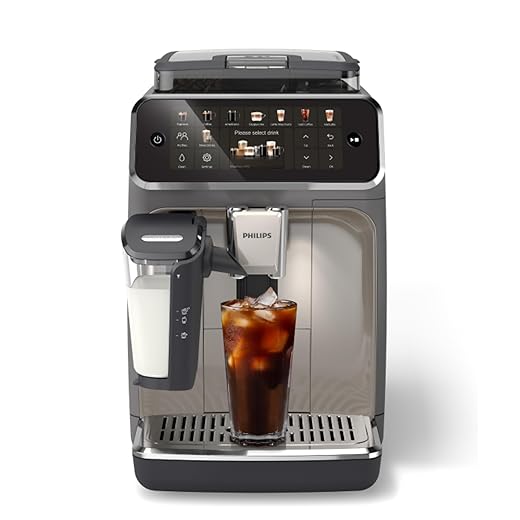
7. Philips Fully Automatic Espresso Machines – Best for Simple Everyday Brewing
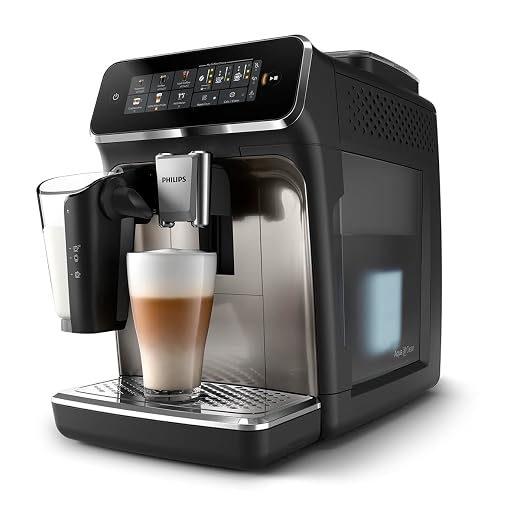
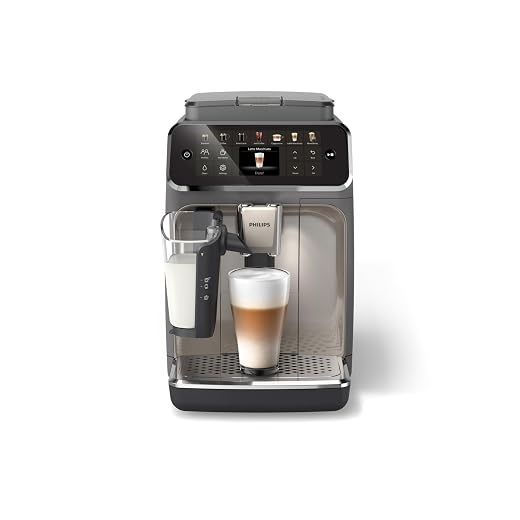
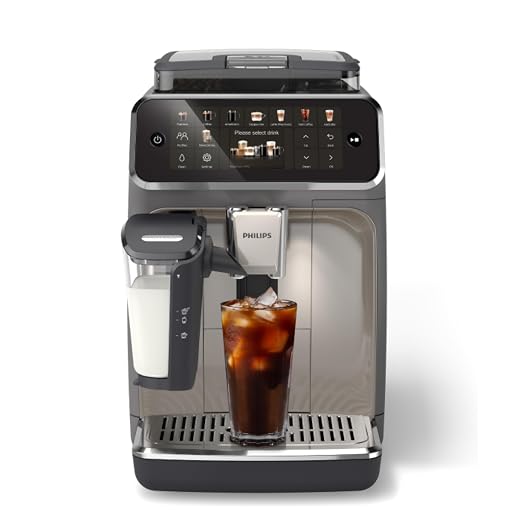
Philips offers fully automatic espresso machines designed to handle much of the brewing process for you. Depending on the model, these machines may include an integrated grinder, one-touch drink options, adjustable coffee settings, and an automated or assisted milk system.
They are worth comparing with De’Longhi’s automatic models if your priority is a straightforward daily routine.
However, the Philips range includes different machine levels. A basic model may have fewer drink options or a different milk system than a premium version.
Key features
- Automated bean-to-cup brewing
- Integrated grinder on compatible models
- Adjustable coffee settings
- Milk functions on selected models
- Simplified drink preparation
Pros
- Convenient for everyday use
- Reduces manual espresso preparation
- Suitable for households that prefer simple controls
- Several models and feature levels are available
Cons
- Less direct control than a traditional portafilter machine
- Milk systems need regular cleaning
- Features differ significantly between models
- A higher-priced model may be unnecessary for basic coffee needs
Who should choose it?
Consider a Philips fully automatic machine if you want fresh-ground coffee with fewer manual steps. Compare the exact milk system, cleaning process, drink options, and warranty before choosing a model.
Espresso Machine Comparison Table
| Machine | Best for | Grinder included? | Main trade-off |
|---|---|---|---|
| Ninja Luxe Café Premier ES601 | Multiple coffee styles | Yes | Larger, feature-rich design |
| Breville Barista Express | Hands-on espresso | Yes | Requires practice |
| Breville Bambino Plus | Compact espresso setup | No | Separate grinder needed |
| De’Longhi Dinamica Plus | Automated coffee | Yes | Less hands-on control |
| Breville Barista Touch Impress | Guided espresso preparation | Yes | Premium feature set |
| De’Longhi Dedica Series | Small kitchens | Usually no | More manual preparation |
| Philips fully automatic range | Everyday convenience | Yes on compatible models | Features vary by model |
Always confirm the precise model and regional specifications before purchasing. Grinder availability, milk systems, drink presets, and included accessories can vary.
How to Choose the Best Espresso Machine for Your Needs
The easiest way to choose an espresso machine is to start with your daily routine rather than the number of features on the product page.
1. Decide Which Coffee Drinks You Make
Your favorite drinks should influence the type of machine you buy.
- Espresso: Look for consistent extraction and a suitable grinder.
- Latte: Choose a machine with a milk-steaming or milk-frothing system that suits your routine.
- Cappuccino: Look for reliable espresso preparation and a way to create textured milk foam.
- Americano: Check whether the machine offers a hot-water function or whether you will need another way to add hot water.
- Drip coffee and cold brew: Consider a multifunction machine such as the Ninja Luxe Café Premier if you want these styles alongside espresso.
If your household mostly drinks espresso, you may not need a machine with several other brewing methods.
2. Choose Between Manual, Semi-Automatic, and Fully Automatic
The type of machine determines how involved you are in making coffee.
Manual and semi-automatic machines
These machines give you more control over the brewing process. You may need to grind, dose, tamp, extract, and steam milk yourself.
They suit people who enjoy learning how to make espresso and adjusting the result.
Guided semi-automatic machines
These machines assist with selected steps, such as dosing, tamping, or milk preparation. They can make espresso more approachable while retaining some hands-on control.
Fully automatic machines
These handle more of the brewing process after you select a drink and adjust your preferences. They are convenient for people who want to make coffee quickly with fewer manual steps.
Neither type is automatically better. Choose based on how much involvement you want every morning.
3. Pay Attention to the Grinder
A good grinder is an important part of making espresso. The grind size affects how quickly water passes through the coffee and how the finished drink tastes.
A machine with an integrated grinder saves counter space and makes buying a complete setup simpler. However, a separate grinder gives you more flexibility when choosing or upgrading equipment.
Before deciding, compare the grinder’s adjustment range, ease of use, and suitability for espresso.
Don’t assume a machine with the most grind settings automatically makes better coffee. Grinder design, adjustment precision, coffee freshness, and preparation technique also matter.
4. Consider Milk Frothing
If you mainly drink black espresso, the milk system may not be important.
If you regularly make lattes and cappuccinos, it deserves more attention.
A manual steam wand gives you direct control over milk texture, but it requires practice. An automatic or hands-free system can make the routine easier, although you still need to clean the components.
Before buying, ask yourself whether you prefer to learn milk steaming or have the machine handle more of the work.
5. Measure Your Counter Space
Espresso machines can be wider, taller, and deeper than they appear in product photographs.
Measure the area where you plan to keep the machine. Allow room to access the water tank, refill the bean hopper, remove the drip tray, and clean the machine.
If you choose a machine with a separate grinder, measure the space needed for both appliances.
Also check overhead clearance if you fill the water tank or hopper from the top.
6. Consider Cleaning and Maintenance
Every espresso machine requires maintenance. The amount and type of work depend on the machine design.
Common tasks include:
- Emptying and cleaning the drip tray
- Cleaning the portafilter and coffee basket
- Removing coffee residue
- Cleaning milk-contact components
- Descaling according to the manufacturer’s instructions
- Replacing water filters when required
Fully automatic machines can reduce preparation steps, but they are not maintenance-free. Milk systems in particular need consistent cleaning.
Choose a machine whose maintenance routine you can comfortably follow.
7. Check the Total Cost
The purchase price is only one part of your budget.
You may also need to buy:
- A separate grinder
- Fresh coffee beans
- A milk pitcher
- A coffee scale
- Cleaning products and descaler
- Water filters
- Other accessories
An inexpensive espresso machine may become a more expensive setup if it needs several additional items. An all-in-one machine may cost more upfront but include more of the equipment you need.
Compare the total cost of a usable setup, not just the machine’s advertised price.
8. Review Warranty and Support
Before buying, review the warranty for the exact model and country where you will use it.
Check the warranty duration, exclusions, service availability, and replacement parts availability. Also consider whether the brand provides clear cleaning instructions and troubleshooting support.
These details can make a difference over years of regular use.
What Is the Best Espresso Machine for Beginners?
For beginners, the best espresso machine is one that makes the process manageable without creating unnecessary complexity.
If you want guided preparation and several coffee styles, consider the Ninja Luxe Café Premier ES601. Its integrated grinder and assistance features can help simplify the workflow.
If you want to learn traditional espresso preparation, consider the Breville Barista Express. It provides a more hands-on experience, which can help you learn how grind size, dose, tamping, and extraction affect the result.
If you have limited counter space, consider the Breville Bambino Plus, while remembering to budget for a separate grinder if you use whole beans.
If you don’t want to handle a portafilter, a fully automatic model from De’Longhi or Philips may be a better fit.
What Is the Best Espresso Machine for Lattes?
The best espresso machine for lattes should produce espresso and make easy, textured milk.
A traditional machine with a manual steam wand gives you more control over the milk; it requires practice. A machine with automatic or hands-free frothing may be easier if you want repeatable results with less effort.
Consider these options:
- Ninja Luxe Café Premier ES601: Worth considering if you want guided espresso preparation and hands-free frothing.
- Breville Bambino Plus: A compact option with automatic milk-texturing features.
- Breville Barista Express: A hands-on choice for people who want to learn manual milk steaming.
- De’Longhi Dinamica Plus: Worth comparing if you prefer an automated bean-to-cup workflow with compatible milk-drink functions.
Check the milk system on the exact model before buying. Automatic frothing, manual steaming, and milk-carafe systems work differently and may require different cleaning routines.
For more options, see our guide to the best espresso machines for latte.
What Is the Best Espresso Machine Under $500?
If your budget is under $500, compare the total setup cost carefully. Prices and promotions change, so verify the current price before you decide.
A compact machine looks cheaper, but you may still need a grinder. An all-in-one model may include a grinder and more accessories, potentially reducing the number of additional purchases.
When comparing machines in this budget range, prioritize:
- Reliable espresso preparation
- Grinder availability and quality
- A suitable milk-frothing option
- Straightforward cleaning
- A warranty you can use in your region
Avoid paying extra for features you will rarely use. If you mostly drink espresso, you may not benefit much from paying for drip coffee or cold brew functions.
Is an Espresso Machine with a Built-In Grinder Better?
A built-in grinder is convenient because it combines two major parts of an espresso setup in one appliance.
It can save counter space, simplify shopping, and reduce the number of separate controls you need to manage. This makes it attractive for beginners and people who want a straightforward home setup.
However, a separate grinder gives you more choice. It may also be easier to upgrade the grinder later without replacing the espresso machine.
Choose a built-in grinder if convenience and a compact setup are priorities. Consider a separate grinder if you want to build a more flexible espresso system.
Common Mistakes to Avoid When Buying an Espresso Machine
Choosing by pressure claims alone
A high advertised pump-pressure number does not guarantee better espresso. Grind size, coffee dose, water temperature, extraction, and overall machine design all contribute to the result.
Ignoring the grinder
Even a capable espresso machine can struggle to produce consistent results with unsuitable coffee grounds. Make sure the grinder is appropriate for espresso or include a separate one in your budget.
Buying more automation than you need
A machine with many drink programs may be useful for a large household. If you only drink espresso, those extra functions may not justify the cost or counter space.
Forgetting about cleaning
Milk systems, brew groups, coffee baskets, and drip trays need regular attention. Check how easy the machine is to maintain before purchasing.
Assuming every model in a product family is identical
Brands often sell several versions with similar names. Confirm the model number and verify the grinder, milk system, drink options, warranty, and included accessories.
Frequently Asked Questions
What is the best espresso machine for home use?
The best machine depends on your preference. Consider the Ninja Luxe Café Premier ES601 for versatility, the Breville Barista Express for hands-on espresso preparation, the Bambino Plus for a compact setup, and the De’Longhi Dinamica Plus for automated brewing.
Which espresso machine is best for beginners?
Beginners who want guidance and multiple coffee styles can consider the Ninja Luxe Café Premier ES601. Those who want to learn traditional espresso preparation can consider the Breville Barista Express. A fully automatic machine may be better if minimizing manual steps is the main priority.
Is an expensive espresso machine worth it?
Not always. A more expensive machine may provide better guidance, more automation, a different milk system, or additional brewing options. But if you only make one or two simple drinks, a less expensive machine may be sufficient.
Is a built-in grinder necessary?
No. A built-in grinder is convenient, but a separate grinder can provide more flexibility when building or upgrading your setup. The right choice depends on your budget, counter space, and interest in adjusting espresso preparation.
Which espresso machine is best for cappuccino?
Look for a machine that can prepare espresso and create textured milk foam. The Ninja Luxe Café Premier, Breville Bambino Plus, and Breville Barista Express are worth comparing because their milk-preparation methods differ.
What is the difference between a semi-automatic and a fully automatic espresso machine?
A semi-automatic machine generally requires you to handle more of the preparation process, such as managing the portafilter and starting or stopping extraction. A fully automatic bean-to-cup machine handles more steps after you select a drink and adjust the settings.
How long does an espresso machine last?
Lifespan depends on the model, usage, water quality, maintenance, and availability of service or replacement parts. Follow the manufacturer’s cleaning and descaling instructions, and review warranty and service support before buying.
Do I need a separate grinder for the Breville Bambino Plus?
Yes, if you want to grind whole beans yourself. The Bambino Plus does not have an integrated grinder, so include a suitable espresso grinder in your budget.
Can an espresso machine make regular coffee?
Some multifunction machines, including the Ninja Luxe Café Premier, offer espresso alongside other coffee styles. A traditional espresso-focused machine may not make drip coffee directly, so check its supported brewing methods before buying.
Final Verdict: What Is the Best Espresso Machine?
The best espresso machine matches your coffee habits, not the one with the longest feature list.
Choose the Ninja Luxe Café Premier ES601 if you want an all-in-one appliance for espresso, drip coffee, and cold brew, with guided preparation and convenient milk frothing.
Choose the Breville Barista Express if you want to learn traditional espresso preparation and control more of the process yourself.
Choose the Breville Bambino Plus if you need a compact espresso machine and are comfortable purchasing a separate grinder.
Choose the De’Longhi Dinamica Plus if you prefer an automated bean-to-cup experience and want to reduce hands-on preparation.
Before you decide, compare the exact model specifications, total setup cost, cleaning routine, warranty, and available counter space.
The right machine should fit your daily routine, produce the drinks you enjoy, and remain practical to use and maintain over time.